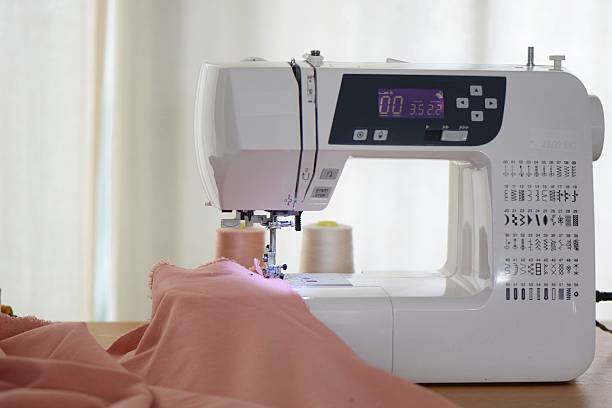
Jūsų siuvimo mašina sugedo ar pradėjo veikti netinkamai? Siuvimo mašina – svarbus įrankis tiek profesionaliems siuvėjams, tiek mėgėjams, todėl jos sklandus veikimas yra itin svarbus. Dėl nuolatinio naudojimo ar netinkamos priežiūros gali atsirasti įvairių gedimų: nutrūkstantis siūlas, netolygios siūlės, užsikimšęs mechanizmas ar neveikiantis variklis. Laiku atliktas siuvimo mašinos remontas padeda išvengti rimtesnių problemų ir užtikrina kokybišką darbo rezultatą. Nesvarbu, ar tai buitinė, ar pramoninė siuvimo mašina – mūsų patyrę „elMeistrai” greitai nustatys gedimą ir profesionaliai jį pašalins.
Kodėl verta rinktis mus?
✅ Patirtis ir kompetencija – remontuojame visų gamintojų siuvimo mašinas: Singer, Brother, Janome, Juki, Bernina ir kt.
✅ Skaidrios kainos – gedimo diagnostika ir tikslus įkainis pateikiamas prieš pradedant darbus
✅ Garantija darbams – visiems atliktiems remonto darbams suteikiame garantiją
Dažnai pasitaikantys gedimai:
- Siūlų trūkinėjimas ir praleidinėjimas
- Adatos lūžinėjimas
- Netolygus audinio pastūmimas
- Triukšmingas veikimas
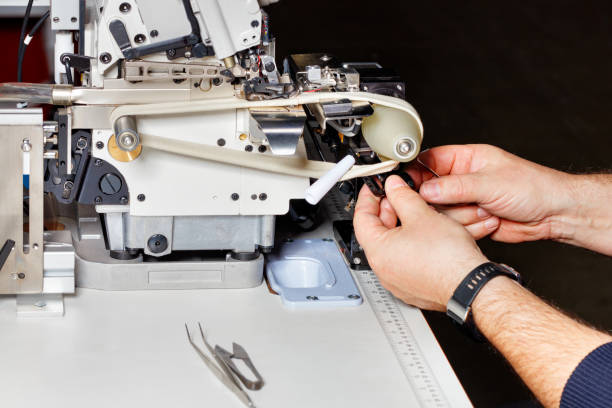
- Elektros variklių ir pedalų gedimai
- Vilnius – Kareivių g. 11A “RIMI” +370-655-77057
- Kaunas – Baltijos g. 58 , Šilainiai +370-656-95553
- Klaipėda – Sausio 15-osios g. 13 +370-647-07741
- Šiauliuose – Gegužių g. 30 “Arena” +370-682-29052
Sewing machine repairs - indicative price list
- Diagnostics - 10 eur
- Mechanical repairs - from €15
- Electrical repairs - from 20 euros
Sewing machine repairs - the most common faults
1. Accumulation of threads under the fabric when sewing
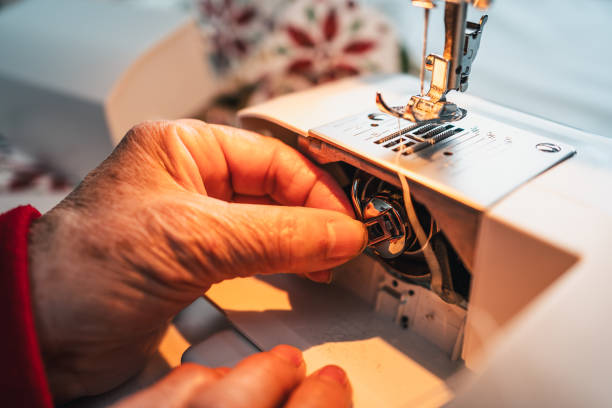
If you see bumps at the bottom of the sewing with extra threads, it is likely that there are several culprits. First, remove the sewing machine. You may need to cut the extra threads to loosen them. Do not just loosen the sewing machine, otherwise you risk damaging the machine mechanism, not to mention the fabric. Once loosened, carefully remove any cut pieces of thread. Now you can find the problem. Have a scrap of fabric handy to test.
- Remove the top thread and re-thread the thread into the machine, trying to follow the threading diagram in the machine manual. Make sure the threading foot is raised - many machines lock the tension discs when the foot is lowered, making it impossible to thread correctly through the discs.
- Remove and re-insert the coil. Some machines have special requirements for which way to unwind the reel. Read the instructions to make sure it is wound correctly.
- Make sure you use the same type of thread in both the topstitch and the bobbin. Due to the different weights of the yarn, the machines usually pull the yarn at different speeds, causing tangles and knots.
- Adjust the tension settings. This is a common problem, especially if you are working with a thick fabric, switching to a soft fabric (or vice versa) and forget to adjust the settings. Test the tension settings on a scrap of the project fabric to make sure everything is fine.
2. Bent or broken needles
This is a problem that can be both annoying and dangerous. Always use a new needle for a new stitch. This will prevent the needles from becoming worn or getting stuck on the end, which can damage your fabric. Make sure you use the right type of needle - a ball or jersey needle is best for knitted fabrics, while leather, vinyl or denim will need sharp, sturdy needles. If the needle breaks or bends, stop sewing immediately. Replace the needle with the correct needle type and make sure that it is inserted according to the sewing machine instructions. Re-insert the thread and continue. If you are using the correct needle but continue to have problems with breakage or bending, you may have an underlying mechanical problem with your sewing mechanism that will require repair. In this case, please contact us and we will carry out sewing machine repairs.
3. Non-fillable fabric
Make sure that if your machine has a drop feed setting, it is not switched on and that the feeds are not covered by the embroidery plate. Also make sure that the presser foot is lowered and that the pressure on the fabric is set to the correct level - too little or too much pressure will result in poor feeding. When starting to sew, make sure the fabric is fully under the needle before lowering the presser foot.
Need sewing machine repairs? Contact mūsų kontaktais Vilniuje, Kaune, Klaipėdoje ir Šiauliuose.







 English
  Lietuvių kalba
  Українська
  Polski
  Русский
  Español
  Français